Minimalist Interior Design: Creating Beautiful Spaces With Less
Imagine walking into a home where every item has a purpose, where clean lines create a sense of calm, and where the absence of clutter allows you to breathe easier. Welcome to minimalist interior design. As a mom of 5 kids, I discovered this approach when our home was bursting at the seams, and it changed everything for our family.
Did you know that studies show minimalist living spaces can reduce stress and anxiety? IKEA Life at Home Report 2024 states that around 1 in 3 people believe a clean and tidy home helps maintain their mental and physical well-being. If you’re ready to experience these benefits, start by decluttering your home with minimalist techniques that really work.
While minimalism has roots in traditional Japanese design, today’s approach creates both functional and beautiful homes – even with a houseful of children!
What Is Minimalist Interior Design?
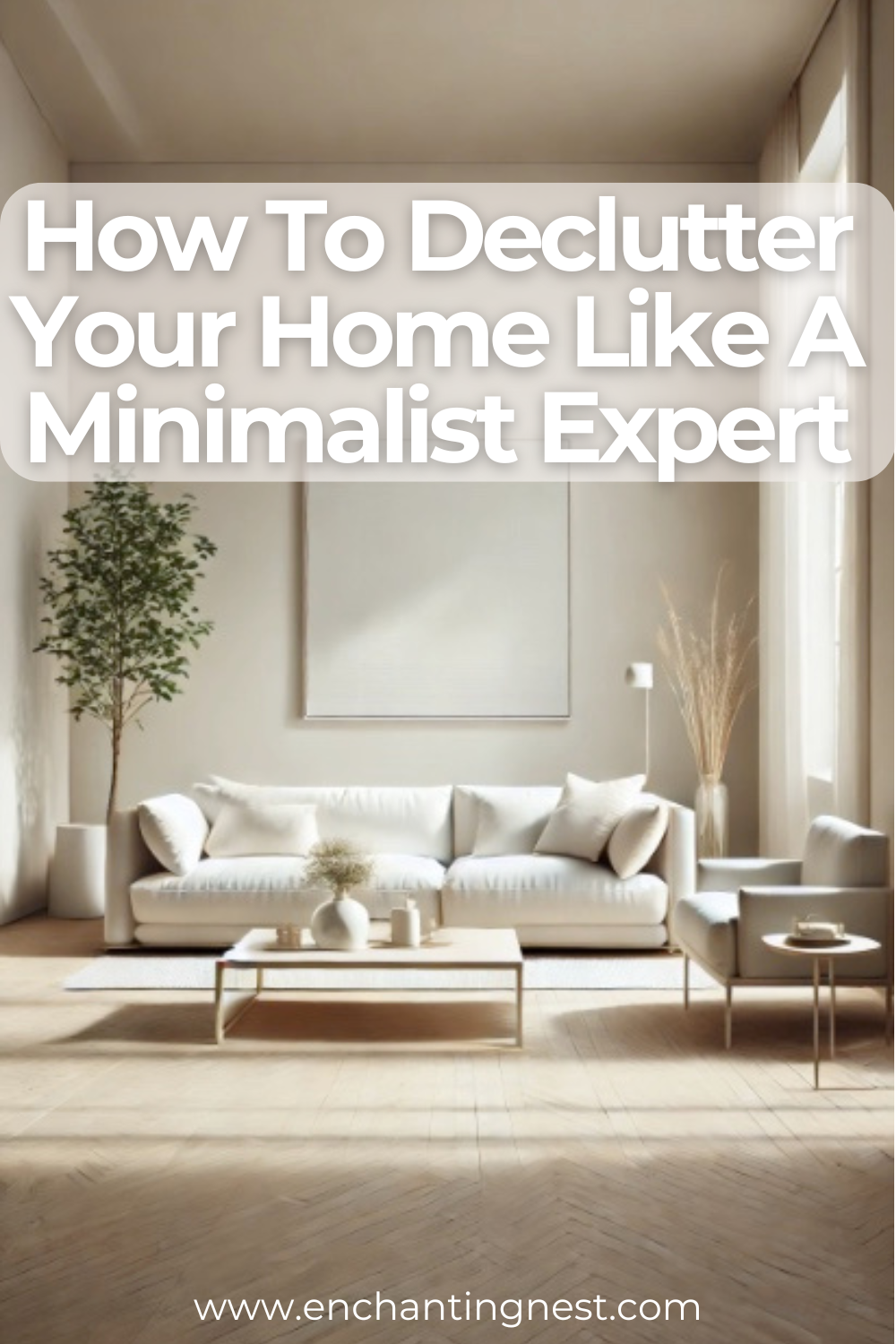
Minimalist interior design is about intentional simplicity – creating spaces that contain only what you need and love. At its core, it’s a philosophy that “less is more” and quality trumps quantity.
Key characteristics include:
- Clean lines and simple shapes
- Neutral color palettes
- Functional, multi-purpose spaces
- Environments free from unnecessary items
- Thoughtful organization systems
One of the biggest misconceptions is that minimalist homes are cold or boring. In reality, when done thoughtfully, minimalist spaces feel peaceful and inviting – something I desperately needed with five energetic kids!
Core Principles of Minimalist Design
Quality over quantity
I learned this lesson after years of buying cheap furniture that my children quickly destroyed. In minimalist design, it’s better to invest in fewer but better items that will last. Our family sofa costs more upfront, but has survived years of jumping, spills, and fort-building.
Form follows function
Every item should serve a purpose. Before adding anything to our home, I ask: “Is this necessary or truly loved?” This question has saved us from countless impulse purchases.
Embrace negative space
Empty space isn’t something to fill – it’s an essential design element that gives your family room to breathe and play. My kids actually play more creatively when they’re not overwhelmed by too many toys and visual stimuli.
Additional principles we live by:
- Everything needs a designated home
- Regular decluttering prevents accumulation
- One in, one out rule for new purchases
- Teaching children to value experiences over things
Creating a Minimalist Color Palette
Working with neutrals creates a peaceful backdrop for family life. Our walls are painted in warm whites and soft grays that hide fingerprints surprisingly well!
Ways to add visual interest without clutter:
- Incorporate different textures (smooth, rough, soft)
- Add 1-2 accent colors through small, changeable items
- Use natural materials like wood, stone, and plants
- Vary finishes (matte, glossy, metallic) to create depth
Having a cohesive color scheme makes our home feel pulled together even when toys are scattered about – a sanity-saver for this busy mom.
Furniture Selection for Minimalist Spaces
Look for these qualities when choosing furniture:
- Durable materials that withstand children
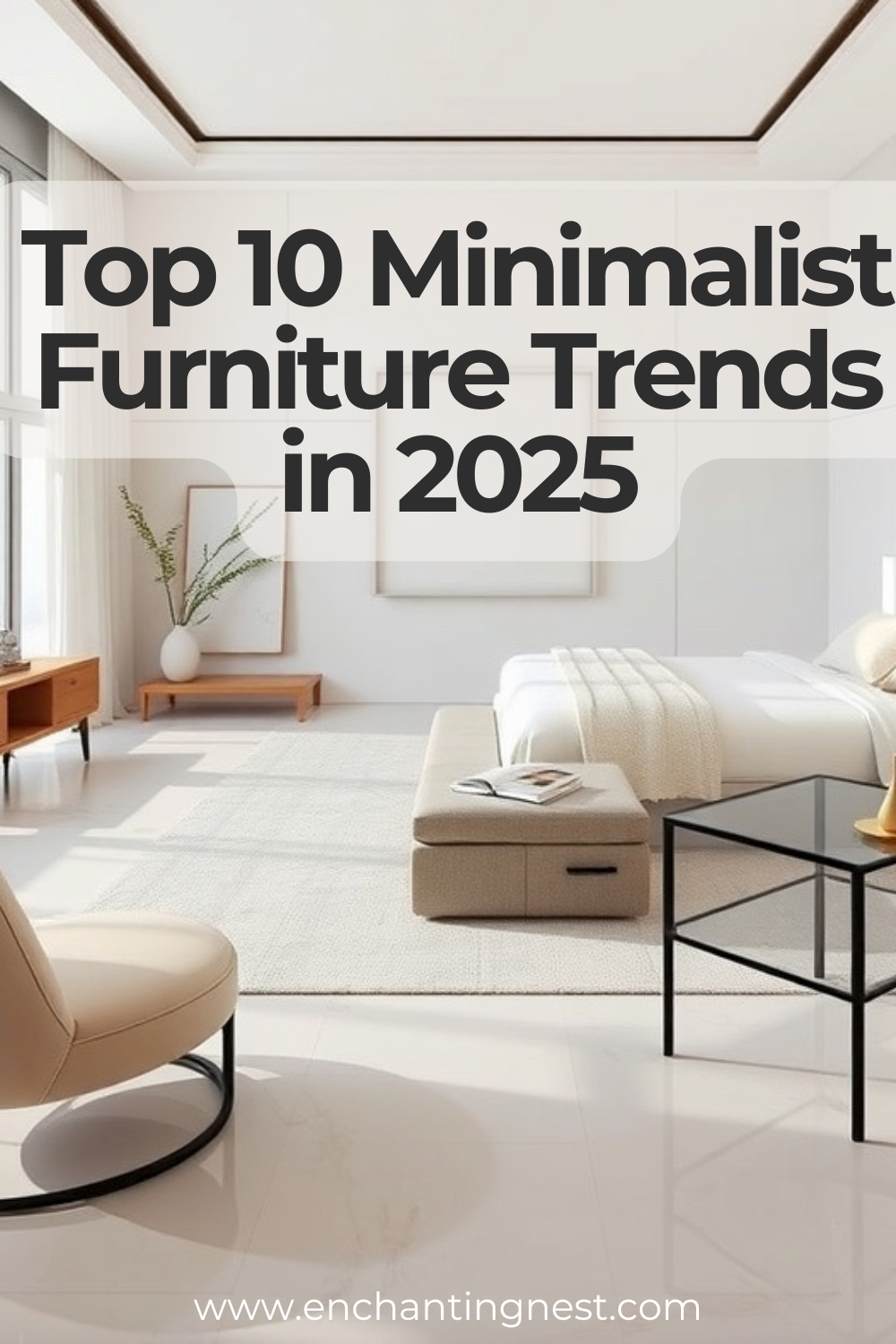
- Multi-functional pieces (storage ottomans, extendable tables)
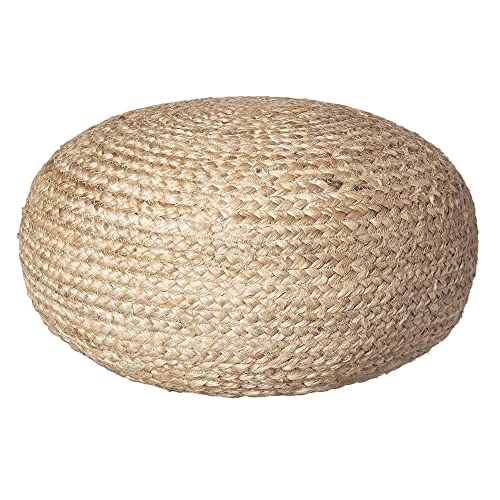
- Simple, clean-lined designs
- Appropriate scale for your space
- Stain-resistant fabrics (a must with kids!)
Our dining table serves as homework central, art station, and mealtime gathering spot. Investing in one excellent, expandable table eliminated the need for separate desks and activity tables.
Kid-friendly minimalist furniture doesn’t mean sacrificing style. We choose washable slipcovers, rounded corners for safety, and closed storage to contain visual clutter while keeping necessities accessible.

Minimalist Design Room by Room
Living Room
Our family living room contains:
- One comfortable, stain-resistant sectional
- A large coffee table with hidden storage
- Two accent chairs for adults
- Floor pillows that tuck away when not in use
- A wall-mounted TV to save floor space
- Simple toy storage in attractive baskets

I’ve found that limiting toys in common areas to just a few categories (building blocks, craft supplies, and board games) prevents an overwhelming mess while still allowing for creative play.
Bedroom
Each child’s bedroom contains only:
- A bed with quality bedding
- One dresser for clothes
- A small bookshelf for favorite books
- A special display area for 3-5 treasured items
- Under-bed storage for seasonal clothes
By keeping bedrooms simple, my children actually sleep better and have fewer distractions at bedtime. Morning routines are also smoother since everything has a clear place.

Kitchen
Our kitchen follows these minimalist principles:
- Clear countertops with only 3-4 daily-use appliances visible
- One set of dishes per family member plus a few extras
- Cookware is limited to what we actually use weekly
- Food is stored in clear containers to reduce visual chaos
- Kid dishes in low drawers for independence
Meal preparation is so much easier when counters aren’t cluttered and everything has a designated place.
Bathroom
With seven people sharing bathrooms, simplicity is essential:

- White towels (easily bleached when needed)
- Minimal products in refillable containers
- One caddy per child for personal items
- Hidden storage for extras and backups
- Simple cleaning routine that everyone follows
Home Office
My home office doubles as a homeschool space:
- One desk with drawers for supplies
- Wall-mounted shelving instead of bookcases
- Digital filing system to reduce paper
- Portable supply caddies that store away
- Neutral decor that promotes focus
Storage Solutions in Minimalist Design
With five children, smart storage is non-negotiable in our home:
Our favorite storage solutions:
Furniture with hidden compartments
Wall-mounted shelving to free floor space

- Uniform baskets and bins that look cohesive
- Digital solutions for papers, photos, and memories
- Rotating toy library system (only 20% of toys available at once)
- Vertical storage to maximize limited space
- Labeled systems are simple enough for children to maintain
The key is having enough storage for necessities while eliminating excess that requires storage in the first place.

Transitioning to Minimalist Design
As a mom of five, I couldn’t transform our home overnight. Here’s my step-by-step approach:
- Start small: Begin with one drawer or closet
- Involve the family: Let each person choose what matters to them
- Create simple systems: Make organization kid-friendly
- Implement “holding zones”: Test living without items before donating
- Practice one-in-one-out: Maintain your progress
- Focus on progress, not perfection: Our home still looks lived-in!
The most challenging area was children’s artwork and memorabilia. I created a system where each child has one memory box, and we digitize most artwork after enjoying it on display for a season.
Minimalism Beyond Aesthetics
Minimalism has given our family:
- More time together (less cleaning and organizing)
- Financial freedom (buying less means saving more)
- Reduced environmental impact
- Calmer, more focused children
- Easier daily routines
- More intentional purchasing decisions
- Space for activities that matter
I’m not a perfect minimalist by any means—we still have Lego underfoot sometimes, and our home looks lived-in. But the principles have helped our family of seven live more harmoniously in our space.
Frequently Asked Questions
Is minimalist interior design expensive?
Minimalist design actually saves money long-term. Quality items last longer than cheaply made alternatives. Plus, buying less overall reduces spending significantly.
How do I begin transforming my current space?
Start with one small area that causes daily frustration. Clear everything out, clean thoroughly, and return only what serves a purpose or brings joy. Success in one area builds momentum for the next challenge.
How do I maintain minimalism with growing children?
Regular purging is essential as children grow. Reassess toys, clothes, and activities quarterly. Also, involve my children in deciding what stays and goes, teaching them discernment about what adds value to their lives.
Final Thoughts
Minimalist interior design isn’t about creating perfect spaces—it’s about crafting environments that support your family’s wellbeing. With five children, our home is never perfectly tidy, but minimalism has given us the framework to manage chaos and create a home that serves all seven of us well.
Whether you’re looking to completely transform your home or simply incorporate elements of minimalism, start small and remember that minimalism with children is about progress, not perfection. The peace of mind is worth every toy dinosaur and action figure we’ve lovingly let go.
This post may have affiliate links, which means I may receive commissions if you choose to purchase through links I provide (at no extra cost to you). As an Amazon Associate, I earn from qualifying purchases. Read more about these links in my disclaimer policy.